
Few systems in gaming define identity like World of Warcraft’s class fantasy. It’s more than abilities and rotations—it’s personality, history, and purpose. Every class tells a story, not through dialogue, but through the way it feels to play. Whether channeling holy light, summoning demons, or weaving elemental fury, WoW’s class fantasy system gives each character a soul. Decades after launch, it remains one of Blizzard’s greatest achievements.
This article explores why class fantasy endures as the foundation of WoW’s design and why, despite countless updates, its essence remains untouchable.
The Birth of Identity
When WoW launched in 2004, classes weren’t just gameplay roles—they were fantasy archetypes brought to life. The Paladin embodied faith and resilience, the Rogue mastered shadows and precision, the Warrior stood as the wall between chaos and order. These weren’t just mechanical choices; they were expressions of personal playstyle and identity. Players didn’t pick a class—they chose who they wanted to become in Azeroth.
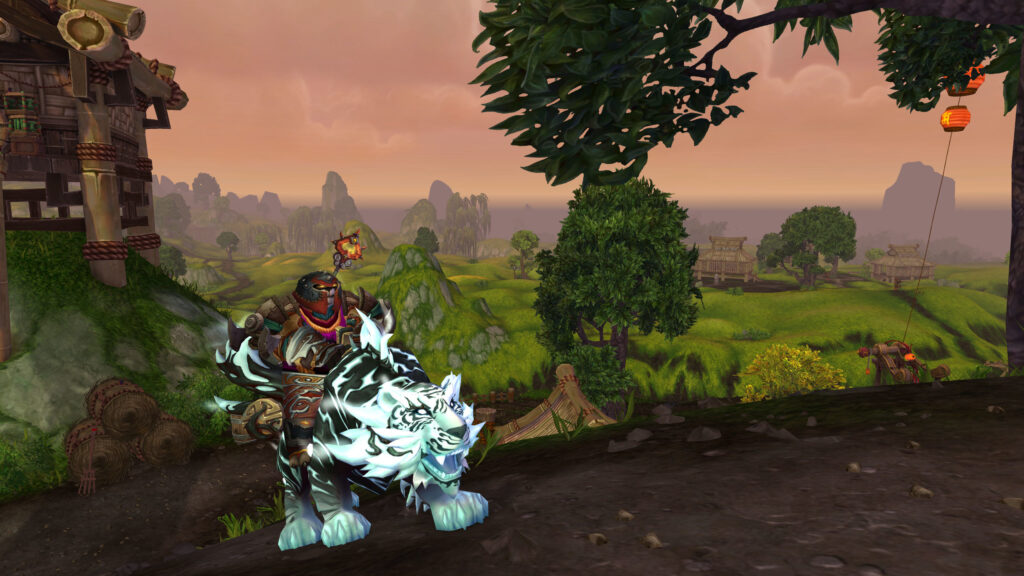
It wasn’t about numbers—it was about narrative belonging.
Evolution Without Erosion
Over twenty years, Blizzard has refined mechanics while preserving identity. The class fantasy system adapted to new expansions without losing its core. Whether through talent revamps, artifact weapons, or specialization overhauls, each iteration reinforced what made the class unique. A Fire Mage still feels like a pyromaniac scholar; a Death Knight still commands death with precision and control. Mechanics evolve, but fantasy endures.
Change, when guided by identity, becomes growth—not loss.
Artifacts and the Peak of Immersion
Legion marked the golden age of class fantasy. Artifact weapons gave each spec its own lore, progression, and identity arc. From the Ashbringer to The Skull of the Man’ari, every weapon deepened connection to character and history. Class halls served as sanctuaries for like-minded heroes, turning gameplay into roleplay. Legion proved that immersion isn’t just story—it’s embodiment.
For many, it was the first time their character truly felt alive within the world’s lore.
- Paladins: Ashbringer – the sword of light and redemption.
- Demon Hunters: Twinblades of the Deceiver – a symbol of Illidan’s defiance.
- Shamans: Doomhammer – a relic of elemental unity and sacrifice.
- Priests: T’uure, Beacon of the Naaru – faith made manifest.
- Rogues: Fangs of the Devourer – silent justice through darkness.
Balancing Mechanics and Fantasy
One of Blizzard’s design triumphs has been maintaining class fantasy while pursuing balance. Every patch shifts numbers, yet each class retains its emotional core. The Frost Mage’s elegance differs from the Frost Death Knight’s brutality, even when both harness the same element. Blizzard’s secret lies in linking function to fiction—gameplay that expresses character identity, not just efficiency.
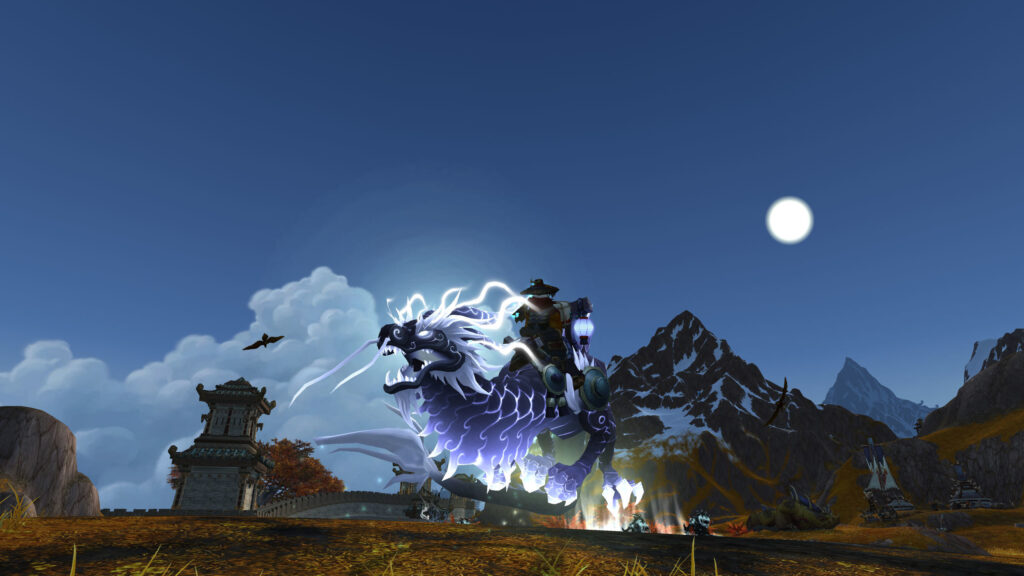
The best rotations feel less like math and more like storytelling in motion.
Player Expression and Roleplay
Beyond raids and dungeons, class fantasy fuels community creativity. Roleplayers build entire personas around class lore; PvP veterans craft rivalries defined by class pride. Transmog collections, titles, and mounts reinforce identity even outside combat. In WoW, being a class means belonging to a culture—a shared understanding of what your abilities represent.
It’s not just gameplay—it’s performance art in a living world.
The War Within and the Future of Class Design
The War Within doubles down on class clarity. Streamlined talent trees and refined roles ensure every specialization feels distinct yet familiar. Blizzard’s design philosophy embraces nostalgia without stagnation, allowing veterans to rediscover their favorite class with modern sensibilities. With new delves, dungeons, and class-specific storylines, fantasy once again takes center stage.
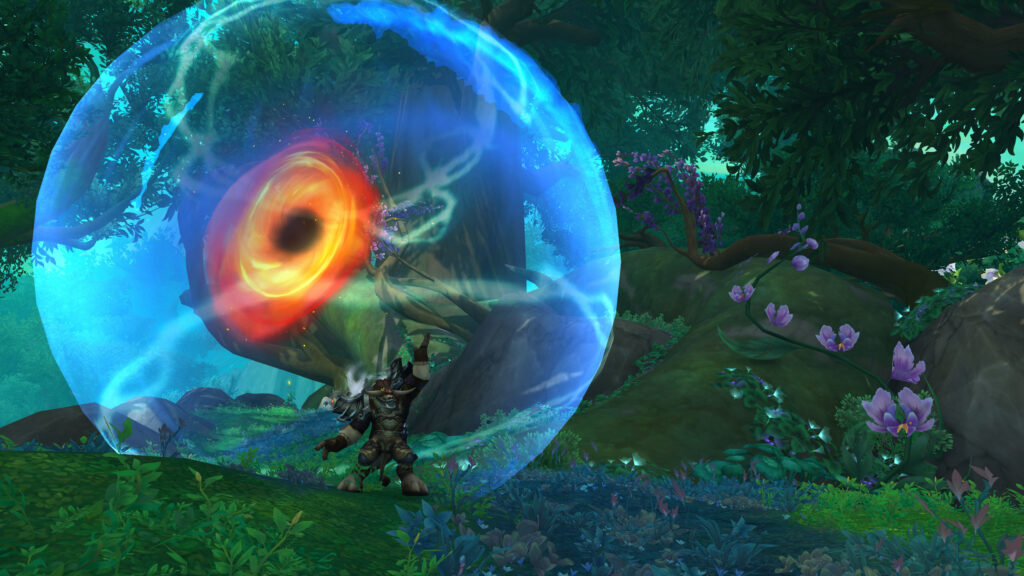
After twenty years, WoW’s classes still remind us why we fell in love with the game in the first place.
Conclusion
Class fantasy remains the heart of World of Warcraft because it turns gameplay into identity. It’s the promise that every player’s story matters—that power, purpose, and personality can coexist. From the first Fireball cast to the final raid boss slain, every button press is part of a larger narrative. In the end, class fantasy isn’t just a system—it’s the soul of Azeroth.
And that soul burns as brightly now as it did twenty years ago.