
Azeroth is a land of grand battles, epic heroes, and infamous villains, but beneath the surface of these well-known struggles lies a web of secret political alliances that shape the fate of the world.
These alliances, often hidden in plain sight, are crucial to the balance of power in Azeroth and play a pivotal role in both the present and future of the world. This article explores some of the most intriguing and covert political maneuvers in Warcraft’s history, shedding light on the power struggles that quietly influence the course of events in the game.
The Hidden Powers at Play
While the world of Azeroth is often divided into visible factions such as the Alliance and the Horde, there are smaller, more secretive groups that influence the game’s politics. These factions work behind the scenes, often for their own hidden agendas, and their power extends far beyond the typical conflicts between the larger, more public factions. Whether it’s the shadowy dealings of the Black Market, the covert agreements between powerful NPCs, or the unseen hand of the titans, these secretive alliances pull the strings of Azeroth’s history.
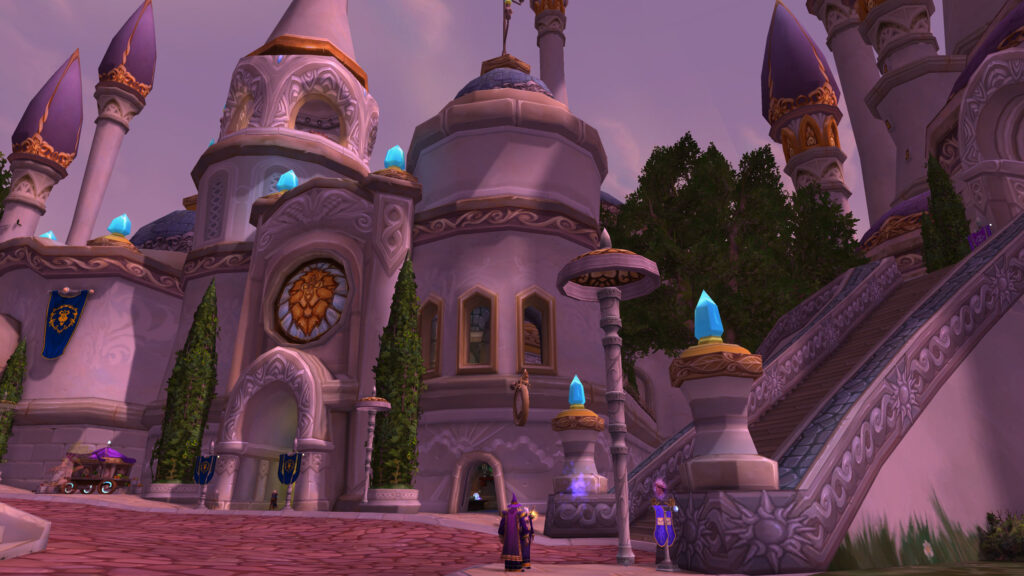
Some of these groups are known to the players, but their true influence is often obscured, leaving the full extent of their power a mystery to most.
The Subtle Power of the Neutral Factions
Neutral factions, such as the Argent Dawn, the Cenarion Circle, and the Kirin Tor, have long been players in Azeroth’s political landscape. Though they claim neutrality, their involvement in key moments of Azeroth’s history shows how they often act as power brokers, intervening when it suits their interests. Their seemingly neutral stance allows them to work with both the Horde and the Alliance, and their influence can be seen in the way they subtly steer events toward their preferred outcomes.
Their hidden influence is a reminder that political power is not always about brute force or public allegiances, but can also be found in the careful balance of diplomacy and strategy.
- Argent Dawn: Steers the fight against the Scourge from the shadows.
- Cenarion Circle: Protects the natural world, influencing political decisions through their environmental control.
- Kirin Tor: Wields significant magical influence, quietly shaping Azeroth’s fate through arcane power.
Political Alliances Between the Factions
While the Horde and the Alliance have long been the primary factions at odds, there have been numerous secret alliances between these two groups, often aimed at combating larger threats or advancing mutual goals. These alliances, though often temporary, reveal the complexity of Azeroth’s political system. For example, the temporary alliance formed during the battles against the Burning Legion or the subtle collaboration between certain factions in the fight against the Scourge shows that, at times, the political landscape of Azeroth is fluid, with old rivals setting aside their differences for a greater good.
These temporary alliances are a reminder that, while politics in Azeroth is often defined by rivalry, there are moments when pragmatism overrides ideological differences.
The Influence of the Titans and Old Gods
At the highest level of Azeroth’s politics, the influence of the Titans and Old Gods cannot be ignored. While they may not actively participate in the daily politics of Azeroth, their ancient machinations have shaped the world in profound ways. The Titans, with their order and discipline, left behind powerful relics and organizations that continue to wield great power. Meanwhile, the Old Gods, with their insidious and corrupting influence, have subtly manipulated events from the shadows, working through their followers to destabilize kingdoms and create chaos.
These cosmic forces are not just part of the world’s history; they are ongoing players in the struggle for power, with their influence felt in every corner of Azeroth.
The Role of the Nobles and Merchant Princes
Beyond the grand armies and legendary leaders, the political landscape of Azeroth is also shaped by its merchant princes, nobles, and powerful individuals who control vast wealth and influence. These figures may not wield swords or cast spells, but their economic power allows them to pull the strings of politics in subtle ways. Whether it’s through trade agreements, political marriages, or clandestine deals, these figures use their resources to further their own agendas, shaping the political fate of entire regions.
In many ways, these merchant and noble families represent the “hidden” politics of Azeroth, where power is measured not in battle victories but in influence and wealth.
- Trade Alliances: Powerful merchant groups, such as the Goblins, use their influence to control key markets.
- Political Marriages: Nobles and powerful families often forge alliances through marriage, securing peace or power.
- Corruption: Some noble houses wield power through bribery and covert dealings, shaping the political climate without direct confrontation.
Conclusion
The political landscape of Azeroth is rich and complex, with many factions and individuals working behind the scenes to shape events. These secret political alliances, often hidden in plain sight, influence the course of history and have a lasting impact on the world.
Whether it’s through neutral factions subtly guiding the game’s events, temporary alliances between the Horde and the Alliance, or the behind-the-scenes machinations of the Titans and Old Gods, Azeroth’s politics are much more intricate than they first appear. By looking beyond the surface, we can uncover the true power struggles that define the world of Warcraft.